
Inventory and Supply Chain Automation for SMBs
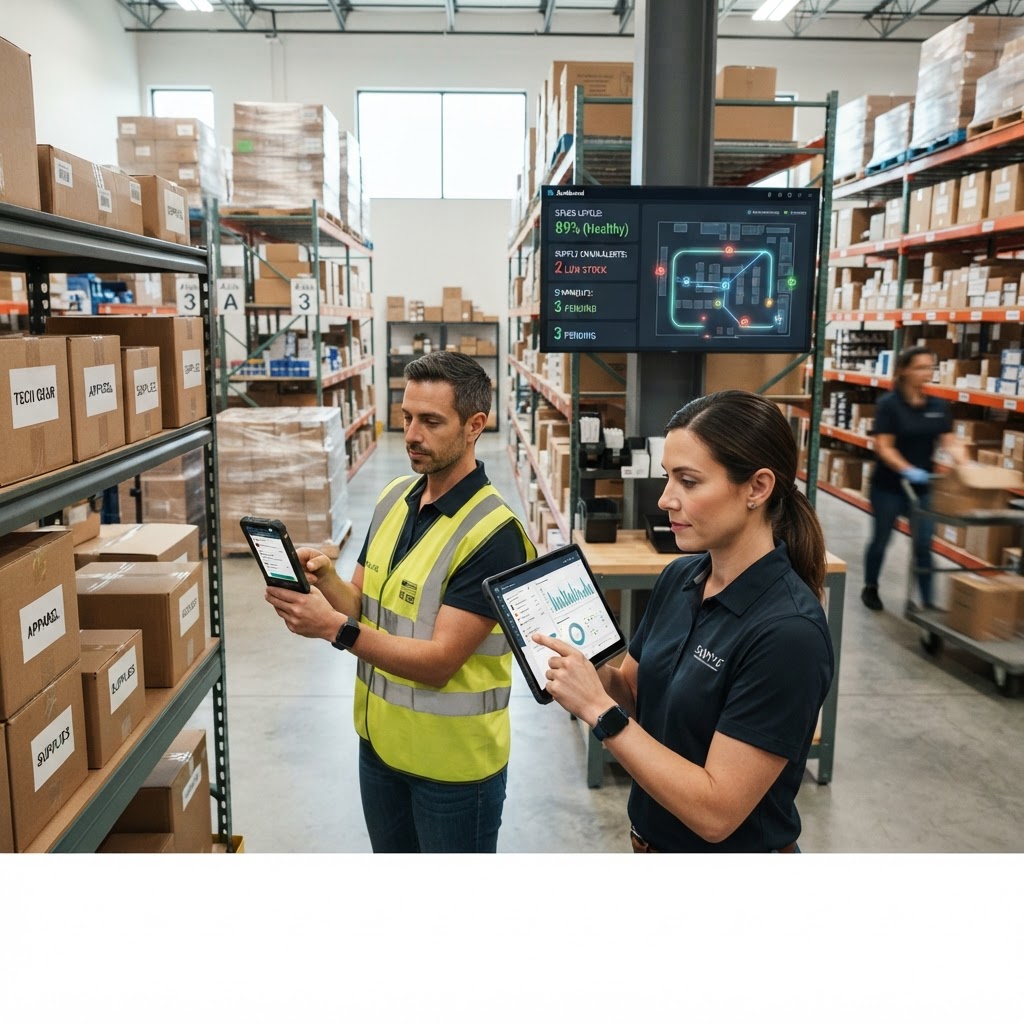
Inventory and supply chain automation is now within reach for SMBs
For years, inventory and supply chain automation sounded like something reserved for large enterprises with massive warehouses, custom robotics, and equally massive budgets. That is no longer the case. Today, small and mid-sized businesses can automate core supply chain tasks using tools they already understand—cloud software, smartphones, barcode scanning, and emerging agentic AI solutions that help teams make faster, smarter decisions.
For SMBs, this shift matters. Labor shortages, tighter margins, customer expectations for faster fulfillment, and ongoing supply disruptions all put pressure on inventory operations. The good news is that businesses no longer need to start with conveyor belts and warehouse robots. A practical, affordable automation strategy can begin with better data capture, intelligent workflows, and mobile-first tools that improve accuracy and visibility right away.
Why SMBs no longer need expensive robotics to automate
When many business owners think about automation, they picture high-cost machines replacing manual work. In reality, the biggest gains often come from automating the information flow around inventory and supply chain processes.
That includes tasks like:
- Tracking stock levels in real time
- Reordering products before shortages happen
- Receiving alerts for delayed shipments
- Updating inventory counts from multiple locations
- Reducing manual entry across purchasing, warehousing, and sales
This is where agentic AI can create value. Rather than simply storing data, AI-powered systems can monitor activity, identify patterns, and recommend or trigger next steps. For example, an AI assistant can flag unusual demand spikes, suggest reorder quantities, notify your team about low-stock risk, or create draft purchase orders based on current trends.
For SMBs, this delivers a more practical kind of supply chain automation. Instead of replacing your operation with expensive robotics, you improve the decisions, communication, and workflows that keep products moving. In many cases, that is where the fastest return on investment comes from.
How smartphone-based tools make inventory automation affordable
One of the most overlooked advantages for SMBs is that modern inventory automation can often start with devices your team already has. Smartphones and tablets can function as powerful inventory tools when paired with the right apps and cloud platforms.
With smartphone-based systems, teams can:
- Scan barcodes or QR codes for receiving and picking
- Update counts from the warehouse floor or retail location
- Capture photos of damaged items or shipment discrepancies
- Confirm deliveries and transfers in real time
- Access live inventory data without returning to a desk
This mobile-first approach reduces paperwork, cuts down on delayed updates, and improves inventory accuracy. It also lowers the barrier to entry. Rather than investing heavily in specialized hardware, SMBs can test and expand automation with a much smaller upfront cost.
For businesses with multiple locations, field teams, or hybrid warehouse and storefront operations, smartphone-based tools are especially useful. They help create a single source of truth for inventory while keeping staff productive wherever work happens.
Practical ways to automate inventory and supply chain processes
The best automation strategies usually begin with a few high-impact workflows. SMBs do not need to automate everything at once. Instead, focus on repetitive tasks that create delays, errors, or excess labor.
A good place to start includes:
Automated stock monitoring: Set minimum thresholds and alerts so your team knows when critical items need attention before stockouts happen.
Smart reordering workflows: Use historical sales, seasonality, and supplier lead times to automate reorder recommendations or approvals.
Receiving and put-away automation: Use barcode scanning and mobile check-in processes to reduce manual entry errors and speed up incoming shipments.
Order status and exception alerts: Get proactive notifications when shipments are late, counts do not match, or high-demand items are at risk.
Inventory syncing across systems: Connect your inventory platform with accounting, ERP, e-commerce, or POS tools so data updates automatically across the business.
Demand forecasting with AI: Even basic AI-driven forecasting can help SMBs make better purchasing decisions and reduce overstock or understock issues.
The key is choosing tools that fit your current operation and can scale over time. The goal is not automation for its own sake. It is creating a supply chain that is more accurate, responsive, and cost-effective.
What SMBs should look for in an automation strategy
Before investing in any new platform, SMBs should map out where the biggest pain points exist. Are inventory errors causing lost sales? Are employees spending too much time on manual data entry? Are purchasing decisions reactive instead of planned? Clear answers will help prioritize the right solutions.
Look for automation tools that offer:
- Easy mobile access for frontline teams
- Integration with your existing business systems
- Real-time inventory visibility
- Configurable alerts and workflow rules
- Reporting that supports better decision-making
- Scalable pricing that fits SMB budgets
It is also important to think about adoption. The best inventory and supply chain automation tools are the ones your team will actually use. Simplicity matters. A user-friendly mobile app and well-designed workflow can often outperform a more complex system that requires heavy training.
Finally, measure success with business outcomes. Track improvements in order accuracy, stockout rates, receiving times, labor hours, and carrying costs. These metrics help confirm ROI and identify the next automation opportunities.
If your business is ready to modernize operations without the cost of enterprise robotics, The K.A.B. Group can help you evaluate practical, secure, and scalable automation solutions. From mobile inventory tools to AI-driven workflow improvements, our team helps SMBs build smarter supply chain processes that support growth. Contact The K.A.B. Group to explore a low-cost, high-ROI path to inventory and supply chain automation.