
Supply Chain Cybersecurity and Third-Party Risk Management for SMBs
Why Supply Chain Cybersecurity Matters More Than Ever
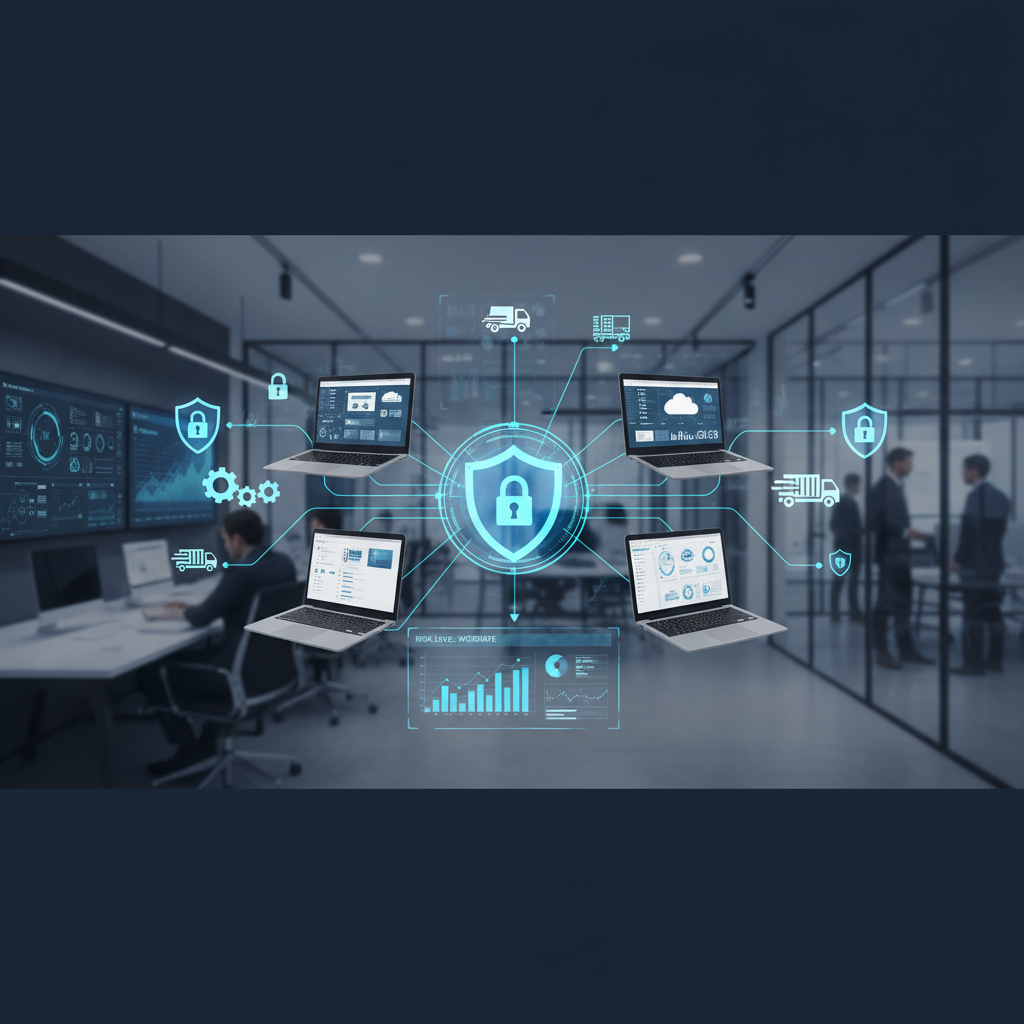
For small-to-medium businesses, manufacturers, and professional services firms, cybersecurity is no longer just about protecting your own network. Today, your vendors, software providers, cloud platforms, logistics partners, and contractors can all become entry points for cybercriminals. That is why supply chain cybersecurity and third-party risk management (TPRM) have become top priorities.
Attackers increasingly target smaller companies because they often have fewer internal IT resources, yet still connect to larger customers and critical business systems. In many cases, a cyber incident at one supplier can disrupt operations, expose sensitive data, delay production, or even damage customer trust across the entire supply chain. At the same time, more enterprise customers are asking vendors to prove they have solid cybersecurity controls in place before signing or renewing contracts.
For businesses in Michiana, South Bend, and beyond, strong vendor risk management is quickly becoming a business requirement—not just an IT best practice.
Why SMBs Are a Growing Supply Chain Target
Many SMBs assume cybercriminals only go after large corporations. In reality, smaller businesses are often seen as easier targets. A manufacturer may rely on outside software vendors, machine monitoring tools, shipping providers, and payroll platforms. A law firm or accounting office may share confidential information with document platforms, email providers, and outsourced service partners. Every connection adds convenience, but also risk.
Cybercriminals know that if they compromise one weak link, they may gain access to valuable data, financial systems, or downstream customers. This is one reason third-party cybersecurity risk is trending. Organizations of all sizes are being asked tougher questions about data protection, access controls, incident response, and compliance.
For SMBs, the challenge is balancing security with limited time and budget. The good news is that effective third-party risk management does not have to be overly complex. What matters most is building a consistent process and focusing on the vendors that pose the highest risk to your business.
The Most Common Third-Party Risks to Watch
Not every vendor creates the same level of exposure. A company that processes payments, stores sensitive client records, or connects directly to your systems carries more risk than a basic office supply provider. Start by identifying which third parties can access your data, network, financial information, or operational technology.
Common supply chain cybersecurity risks include:
- Vendors with weak passwords or no multi-factor authentication
- Outdated software and unpatched systems
- Excessive user permissions or shared accounts
- Cloud providers with unclear security responsibilities
- Contractors who handle sensitive files without secure processes
- Lack of an incident response or breach notification plan
For manufacturers, the risk can extend beyond office systems into production and uptime. If a supplier’s compromise affects scheduling, shipping, machine connectivity, or inventory systems, the impact can quickly become operational. For professional services firms, the bigger concern is often confidential client data, regulatory exposure, and reputation damage.
A practical rule: if a third party can interrupt your operations or expose sensitive information, they should be reviewed as part of your TPRM strategy.
Practical Steps to Strengthen Third-Party Risk Management
You do not need a large in-house security team to improve supply chain cybersecurity. Most SMBs can make meaningful progress with a few disciplined steps.
First, create a simple inventory of your vendors. List who they are, what services they provide, what systems or data they can access, and how critical they are to operations. This gives you a clear starting point.
Next, classify vendors by risk. High-risk vendors may include cloud platforms, managed service providers, payroll systems, financial software, legal technology, or any partner with network access. Lower-risk vendors may require less oversight.
Then, ask better security questions before signing contracts or renewals. For example:
- Do you use multi-factor authentication?
- How do you protect customer data?
- How quickly do you apply security patches?
- Will you notify us promptly if a breach occurs?
- Do you carry cyber liability insurance?
- Can you provide evidence of security policies or compliance standards?
Also, limit vendor access to only what is necessary. This principle of least privilege reduces the damage that can occur if an account is compromised. Remove access when contracts end, and review permissions regularly.
Finally, include vendors in your incident response planning. If a third-party breach affects your business, your team should know who to contact, what systems to isolate, and how to communicate with customers and stakeholders.
Make Cybersecurity a Competitive Advantage
A strong supply chain cybersecurity program does more than reduce risk—it can also help your business win opportunities. Larger customers increasingly expect vendors to demonstrate cybersecurity maturity. Being able to show that you review vendors, protect data, enforce access controls, and follow documented processes can strengthen trust during procurement, audits, and contract negotiations.
This is especially important for manufacturers working with enterprise buyers, as well as professional services companies handling sensitive financial, legal, or client information. Good cybersecurity is no longer just defensive. It supports growth, compliance, and long-term business resilience.
The best approach is to start small but stay consistent. Review your highest-risk vendors first. Put basic policies in place. Train your team to spot phishing and social engineering. Work with an IT partner who can help assess risks, improve visibility, and close security gaps before they turn into business problems.
If your business needs help improving third-party risk management or building a practical supply chain cybersecurity plan, The K.A.B. Group can help. Our team supports businesses across Michiana and South Bend, Indiana with managed IT services and cybersecurity solutions designed to be clear, effective, and right-sized for your organization. Contact us to strengthen your defenses and protect the partnerships your business depends on.